Materials & Finishes

Base Materials

Surface Finishes

Start with the Base Material

Find the right starting point for your wooden box. Match your design priorities with the materials best suited to them.

Your Priority Material to Consider
Natural wood grain and solid timber character Solid Wood
Smooth paint or high-gloss lacquer MDF
Consistent appearance in larger production runs MDF
Real wood veneer over a stable base MDF + Wood Veneer
Large panels and reinforced structural components Plywood

A starting guide only. Final material selection depends on the box design, finish, quantity and budget.

Explore the Materials in Detail

See how each material is used in custom wooden boxes, including its advantages, finishing options and practical considerations.

MATERIALS / 01

SOLID WOOD

Ideal for premium wooden boxes that highlight natural wood grain, authentic texture and the character of real timber.

01 / SOLID WOOD

What Is Solid Wood?

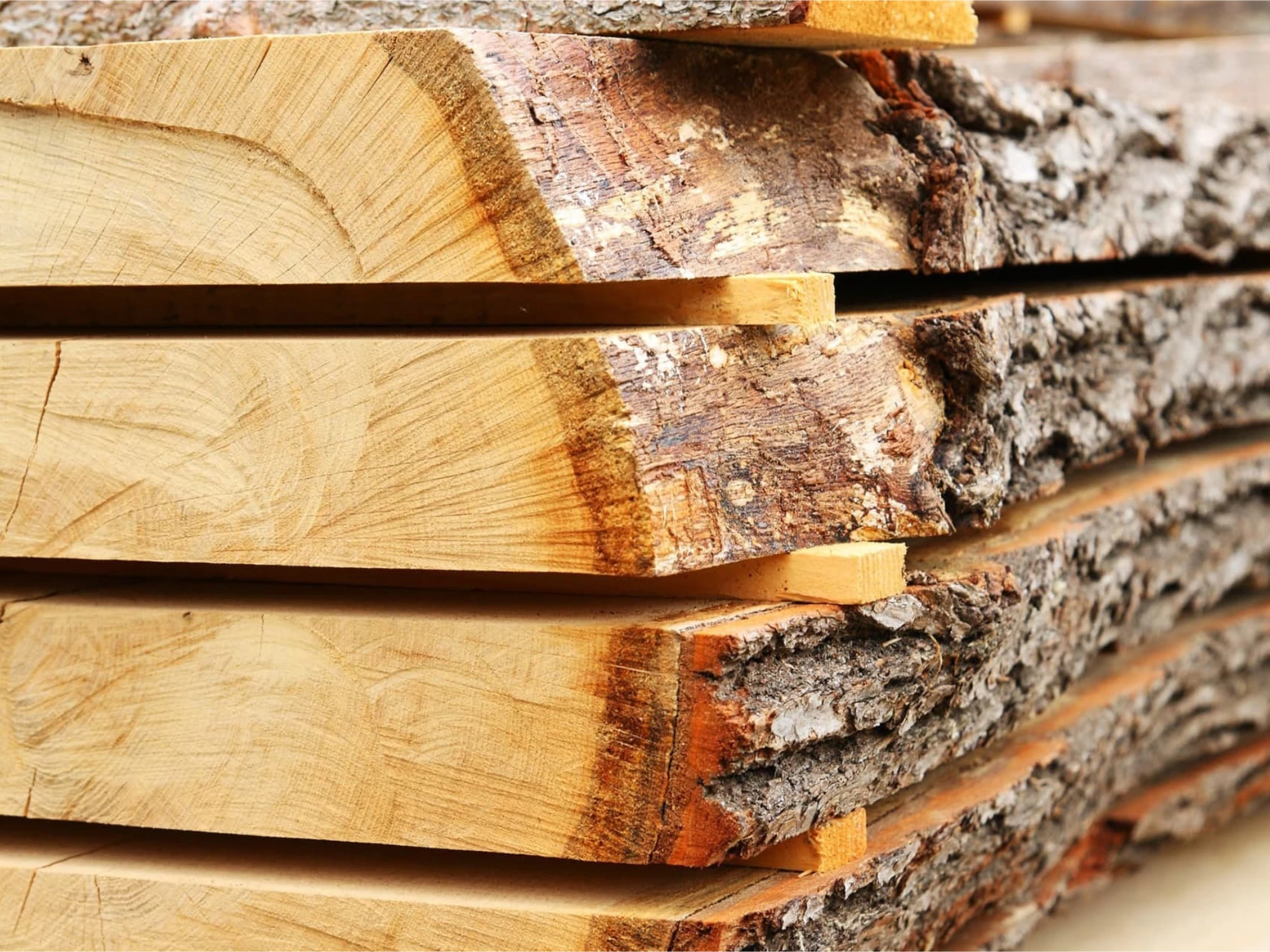
Solid wood is natural timber that is cut and shaped into the parts used to make a wooden box.

Unlike veneered MDF, which has a thin layer of natural wood on its surface, solid wood is made from timber throughout.

Each piece has its own grain pattern and color variations, giving solid wood boxes a natural and distinctive appearance.

Does Solid Wood Mean One Piece of Wood?

Not necessarily. Solid wood boxes are usually made by joining separate wooden parts, rather than carving the entire box from a single block of wood.

Solid Wood
02 / SOLID WOOD

Why Choose Solid Wood?

Solid wood is a popular choice for premium wooden boxes, especially when the natural appearance of wood is an important part of the design.

01

Natural Wood Grain

Each piece of wood has its own grain pattern and color variations, making every box slightly different.

02

Authentic Wood Feel

Solid wood offers the natural texture and feel of real timber, especially when finished with clear or lightly tinted coatings.

03

Long-Term Appeal

With suitable construction and care, solid wood boxes can be kept and reused for years, making them a good choice for presentation and keepsake packaging.

Good to Know:

Natural grain and color variations are part of solid wood's character. If a project requires a highly uniform appearance across large quantities, veneered MDF may be worth considering.

03 / SOLID WOOD

Common Solid Wood Species

Different wood species have different colors, grain patterns and working characteristics. The right choice depends on the appearance you want, your box design and your budget.

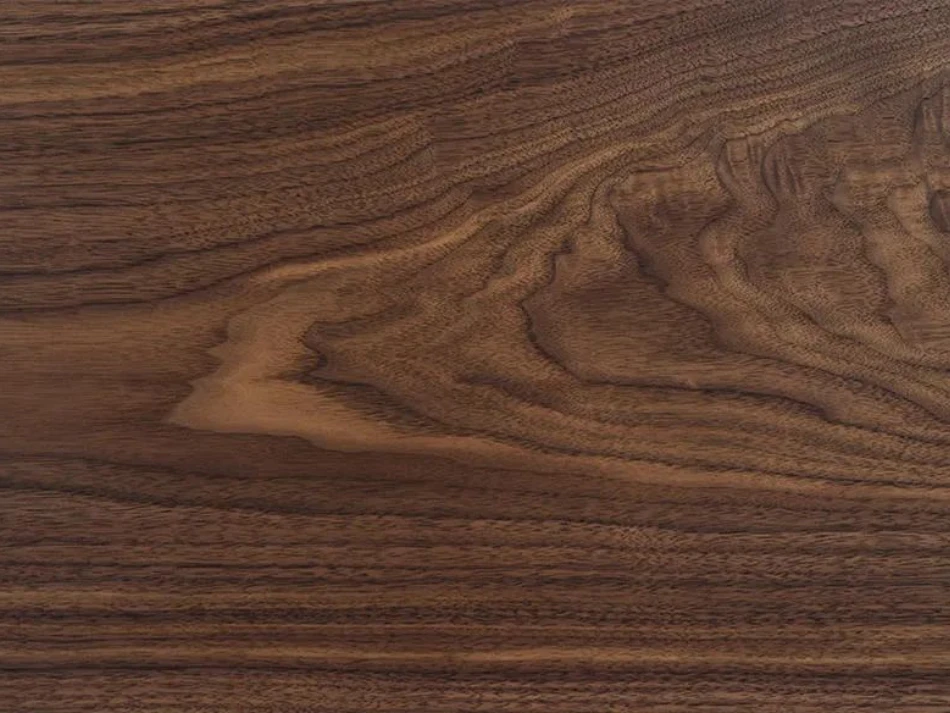
Walnut

Walnut

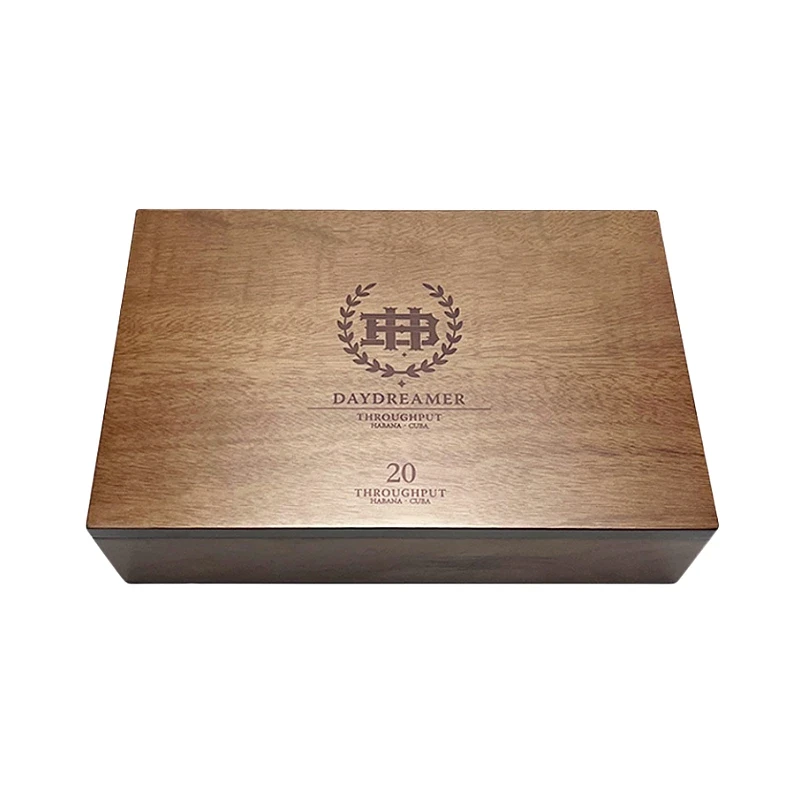
Known for its rich brown color and attractive grain. A popular option for premium presentation and keepsake boxes.
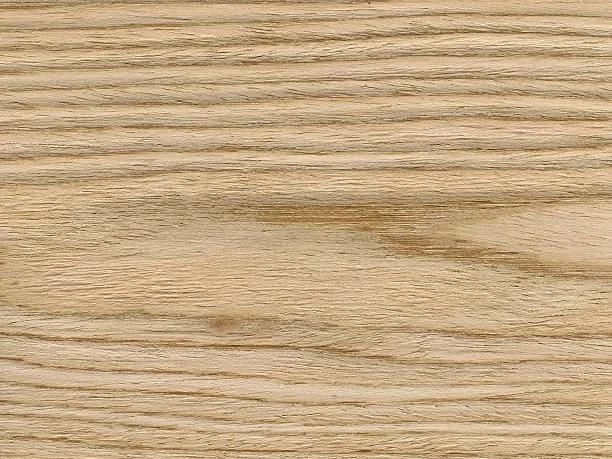
Oak

Features a pronounced grain pattern and a solid, natural appearance. Suitable for designs that highlight the character of real wood.

Beech

Beech

A light-colored hardwood with a fine, relatively uniform texture. Often selected for clean, simple box designs.

Rubberwood

Rubberwood

A practical hardwood with a generally light color and subtle grain. Often considered for projects where cost and appearance need to be balanced.
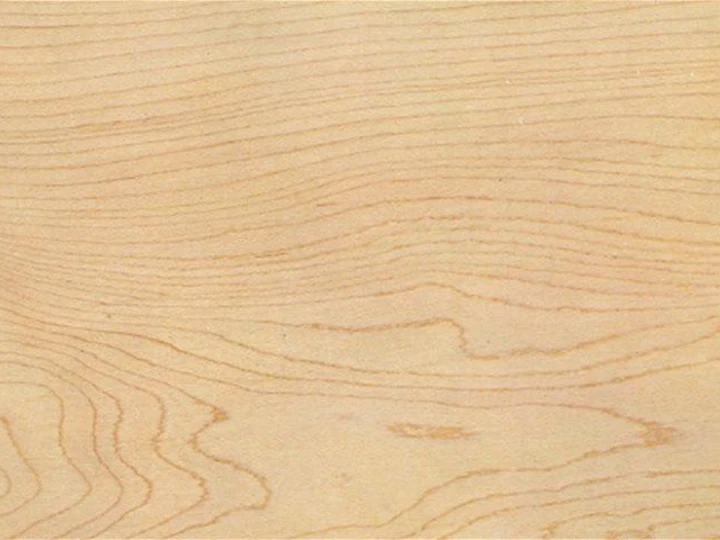
Maple

A pale hardwood with a fine, understated grain. Well suited to minimalist designs and light natural finishes.

Mahogany

Mahogany

Known for its warm reddish-brown tones and attractive grain. Often considered for traditional and classic-style wooden boxes.

Not Sure Which Wood to Choose?

Wood color and grain can vary within the same species. The final appearance also depends on the selected finish. We recommend reviewing actual wood samples before confirming a material for production.

04 / SOLID WOOD

Things to Consider with Solid Wood

Solid wood has natural characteristics that can affect its appearance, production and cost. Understanding these factors helps you choose the right material for your packaging.

Our Recommendation

Wood color and grain can vary within the same species. The final appearance also depends on the selected finish. We recommend reviewing actual wood samples before confirming a material for production.

01 Natural Color & Grain Variation

Color and grain patterns vary between pieces, even within the same wood species. This makes it difficult to achieve a completely identical appearance across every box.

02 Movement with Humidity

Wood naturally expands and contracts as moisture conditions change. Proper drying, construction and finishing help reduce the risk of warping or cracking, but cannot eliminate it completely.

03 Production Consistency

Matching grain, color and dimensions across large quantities requires careful material selection and production control, especially for boxes with tight-fitting parts.

04 Material & Production Cost

Solid wood can be more expensive than engineered wood alternatives, depending on the wood species, material availability, box structure and finishing requirements.

Is MDF Lower Quality?

MDF does not necessarily mean lower-quality packaging. Many premium high-gloss wooden boxes use MDF as the base material because of its smooth, uniform surface, which is well suited to fine lacquer finishes. We'll explain this in more detail in the next section.

05 / SOLID WOOD

When Should You Choose Solid Wood?

Solid wood is worth considering when natural grain, authentic wood texture and long-term presentation are important to your packaging.

Premium Spirits Packaging

Premium Spirits Packaging

A good option for whisky, brandy and other premium spirits when the natural appearance of wood is part of the packaging design.

Watch & Jewelry Boxes

Suitable for presentation boxes that complement valuable products and are intended to be kept and reused.

Luxury Gift Boxes

Luxury Gift Boxes

An option for special gifts, commemorative items and premium collections where the packaging is part of the overall experience.
MATERIALS / 02

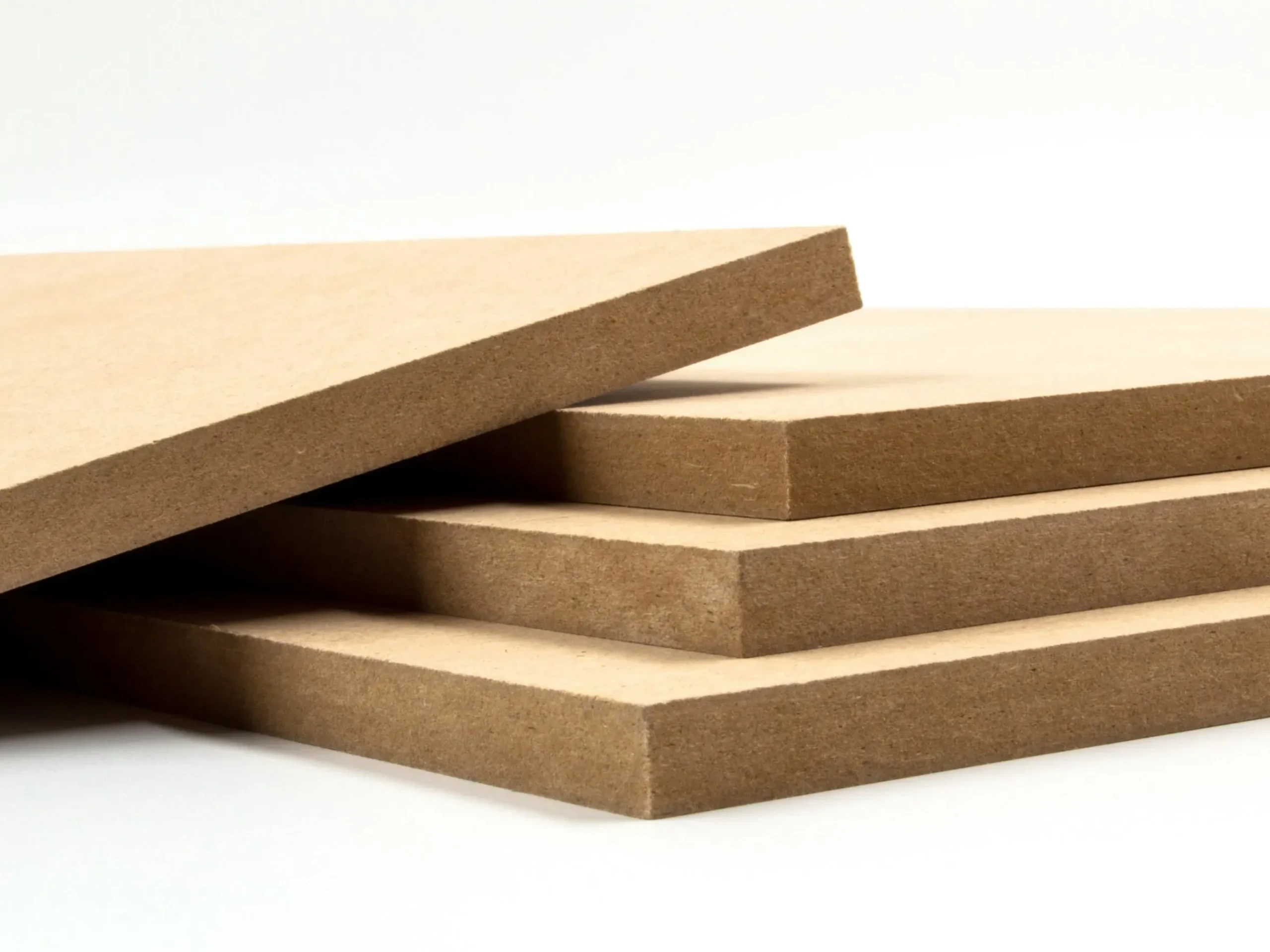
MDF

Ideal for custom wooden boxes requiring smooth painted finishes, decorative veneers and consistent appearance.

01 / MDF

What Is MDF?

MDF (Medium-Density Fiberboard) is an engineered wood panel made from wood fibers bonded with resin under heat and pressure.

Unlike solid wood, MDF does not have a natural wood grain. Its uniform structure provides a smooth surface suitable for painting, veneering and other decorative finishes.

MDF is widely used as a base material for custom wooden boxes, including premium presentation and gift packaging.

Is MDF Real Wood?

MDF is made from wood fibers, but it is not solid wood. It is an engineered wood product designed to provide a consistent panel structure for manufacturing.

MDF
02 / MDF

Why Choose MDF?

MDF offers a smooth surface, consistent structure and flexible finishing options for custom wooden boxes.

01

Smooth Surface

MDF has a relatively uniform surface that is well suited to painted finishes, including matte and high-gloss lacquer.

02

Consistent Structure

Unlike solid wood, MDF does not have a natural grain direction. Its uniform structure supports consistent machining and helps reduce variations between parts.

03

Flexible Finishing Options

MDF can be painted or covered with natural wood veneer, wood-grain paper and other decorative materials to achieve different appearances.

Cost Considerations

MDF can be a cost-effective alternative to certain solid woods, depending on the box design, finishing requirements and order quantity.

Does MDF Always Cost Less?

Not necessarily. Premium high-gloss MDF boxes often require multiple coats of primer, careful sanding, topcoating and polishing. These additional finishing steps can make the final cost higher than that of some standard solid wood boxes. The total cost depends on the material, box structure, finishing process and order quantity.

03 / MDF

MDF Finishing Options

MDF can be finished in different ways to achieve a wide range of colors, textures and appearances for custom wooden boxes.

Painted MDF

Painted MDF

MDF provides a smooth base for painted finishes, from matte and satin to high-gloss lacquer. It is a popular choice for boxes that require a clean, uniform color or a polished appearance.

Natural Wood Veneer

Natural Wood Veneer

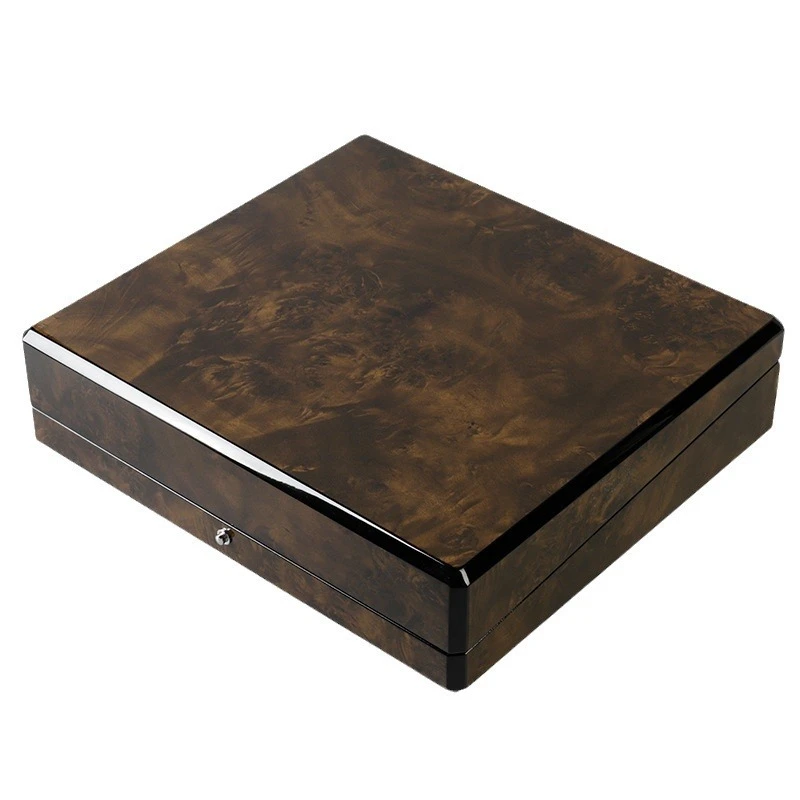
A thin layer of real wood veneer is applied to the MDF surface, creating the appearance of natural wood grain while retaining an engineered wood core.

Wood-Grain Paper

Printed wood-grain paper is applied to MDF to create a wood-look finish. It offers a range of patterns and colors, often with more consistent appearance and lower material costs than natural wood veneer.

MDF Finishing Comparison

Feature Painted MDF Wood Veneer Wood-Grain Paper
Surface Painted finish Natural wood grain Printed wood pattern
Surface Material Paint Real wood veneer Decorative paper
Natural Wood Grain No Yes No
Appearance Consistency Generally high Natural variation Generally high
Typical Applications Lacquered boxes Wood-grain presentation boxes Cost-conscious gift boxes
04 / MDF

Things to Consider with MDF

MDF is a versatile material, but proper construction and finishing are important for achieving a reliable, high-quality wooden box.

MDF

01 Moisture Resistance

Standard MDF can absorb moisture and swell if exposed to water or high humidity. Proper surface sealing and suitable storage conditions help reduce this risk.

02 Edge Preparation

MDF edges are more porous than its faces. They require proper sealing, sanding and preparation to achieve a smooth, even painted finish.

03 Hardware Installation

Hinges, locks and other metal fittings need suitable fixing methods. The box design should account for screw holding strength and repeated opening and closing.

04 Weight & Construction

MDF can be relatively heavy compared with some other wood-based materials. Panel thickness, overall box size and construction should be considered during development.

Is MDF Waterproof?

No. Standard MDF is not waterproof. Painted or sealed surfaces can improve resistance to everyday moisture, but they do not make the material fully waterproof. Moisture-resistant MDF is also available for applications that require additional protection.

MATERIALS / 03

PLYWOOD

A practical choice for larger wooden boxes, load-bearing panels and reinforced packaging structures.

01 / PLYWOOD

What Is Plywood?

Plywood is an engineered wood panel made by bonding thin layers of wood veneer together. In most types, the grain direction of adjacent layers runs across each other.

This layered construction helps improve dimensional stability and makes plywood suitable for a range of structural applications.

In custom wooden boxes, plywood can be used for selected components, depending on the design, thickness and finishing requirements.

How Is Plywood Different from MDF?

Plywood is made from layers of wood veneer, while MDF is made from compressed wood fibers. Their internal structures are different, which affects how they are cut, finished and used in box construction.

02 / PLYWOOD

Key Properties of Plywood

Plywood is particularly useful when a wooden box needs to handle heavier loads, larger panels or demanding structural connections.

01 Strength-to-Weight Advantage

Suitable plywood grades offer a good balance of strength and weight. This makes plywood a practical choice for larger wooden boxes and packaging designed to carry heavy products.

02 Stability in Large Panels

Unlike solid wood, plywood uses layers with alternating grain directions. This helps reduce movement across wide panels and lowers the risk of warping as humidity changes.

03 Secure Structural Connections

Quality plywood can provide good screw-holding performance, particularly when fasteners are correctly positioned. It is useful for reinforced corners, internal supports and selected hardware connections.

04 Reinforced Box Construction

Plywood works well with wooden frames, support blocks and other reinforcements. This makes it a useful material for structural panels in larger or heavy-duty wooden packaging.

Material Consideration:

Plywood is not automatically stronger than every solid wood or MDF panel. Its performance depends on the grade, thickness, grain direction and structural design.

Choosing the Right Base Material

The right material depends on your box design, finish, structural requirements and budget. Solid wood, MDF and plywood each have their strengths, and some projects benefit from combining different materials.

Find the Right Finish for Your Box

Once the right base material is selected, the next step is choosing a suitable surface finish.

Compare the final appearance, suitable base materials and key production considerations to find the right finish for your project.

Finish What You Get Suitable Base Materials What to Consider
Clear Wood Visible natural grain, with clear or stained color options Solid wood or natural wood veneer over MDF Natural grain and color variation; staining may increase visible differences
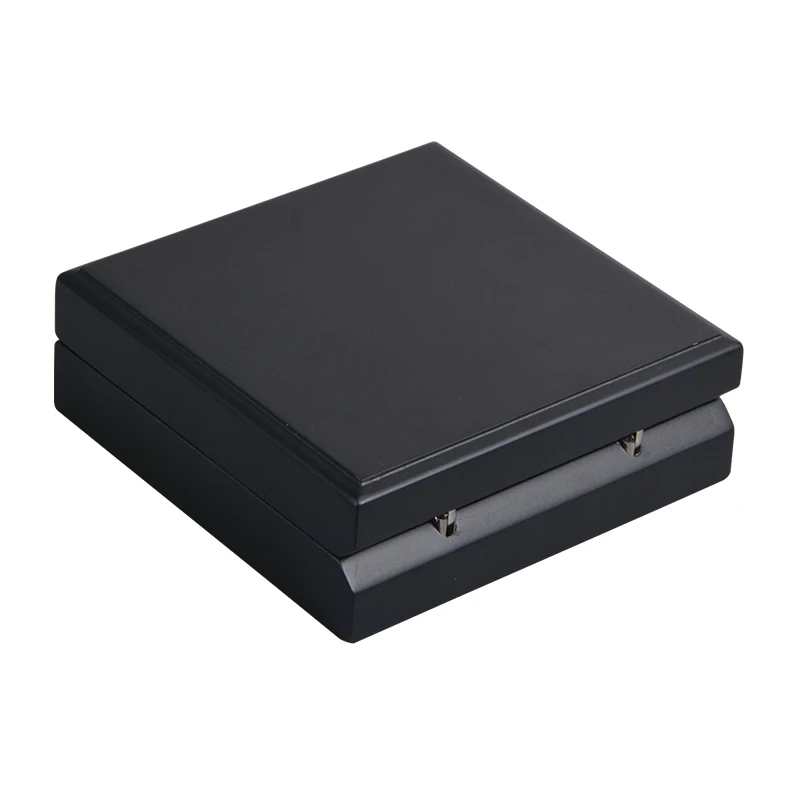
Matte Paint Even color with a smooth, low-reflection surface MDF; properly prepared solid wood Edge sealing, consistent sheen and possible surface marks
High-Gloss Smooth, glossy painted surface with noticeable reflections MDF; properly prepared solid wood Surface waves, sanding marks and coating defects are easier to see
Piano Lacquer Deep, highly polished finish with clear, mirror-like reflections Well-prepared MDF or other suitable stable substrates More demanding surface leveling and polishing; typically higher cost and longer lead time

Production Note: Piano lacquer is a premium high-gloss finishing approach, not a single fixed paint formula. The final result depends on the coating system, surface preparation and polishing standards.

Explore Surface Finishes in Detail

Understand how each finish looks, where it works best, and what to consider before choosing it for your wooden box.

SURFACE FINISHES / 01

CLEAR WOOD FINISHES

Preserve natural wood grain while choosing the color, sheen and surface protection that suit your wooden box.

01 / CLEAR WOOD

What Are Clear Wood Finishes?

Clear wood finishes keep the natural wood grain visible while adding color, adjusting sheen and providing surface protection.

They can be applied to solid wood or natural wood veneer, including veneer over MDF. Depending on the desired result, the finish may use clear lacquer, wood oil or staining followed by a clear protective coat.

The final appearance depends on the wood species, its natural grain and the finishing process used.

02 / CLEAR WOOD

Choosing the Right Clear Wood Finish

Choose based on the surface feel, color and protection your wooden box needs.

Clear Lacquer

Clear Lacquer

Wood Oil Finish

Wood Oil Finish

Stain + Clear Coat

Stain + Clear Coat

Finishing Option When to Choose It Before You Decide
Clear Lacquer You want visible wood grain with a sealed, easy-to-clean surface. Suitable for boxes handled frequently. Choose matte, satin or gloss. Confirm the surface feel and coating quality on a finished sample.
Wood Oil Finish You prefer a natural, low-sheen look and a more direct wood feel, especially on solid wood boxes. Check resistance to fingerprints, stains and moisture. Some oil finishes need more care than lacquer.
Stain + Clear Coat You want a specific wood tone, such as dark walnut, while keeping the natural grain visible. Test the stain on the actual wood species. Approve an acceptable color range, not just one perfect sample.
03 / CLEAR WOOD

Before Production: Getting the Finish Right

Three details worth confirming before approving a clear wood finish for bulk production.

01. Test on the Actual Material

The same stain or clear coat can look different on walnut, oak or wood veneer. Approve a finished sample using the intended material and complete finishing process—not just a color swatch or reference photo.

02. Set a Realistic Color Range

Natural wood varies in grain and base color, which affects the final finish. For stained boxes, agree on acceptable light and dark limits using approved samples before production.

03. Keep an Approved Finish Standard

Keep a physical reference sample for production and inspection. Confirm the sheen, surface feel and acceptable defects so the factory and customer judge the finished boxes against the same standard.

SURFACE FINISHES / 02

MATTE PAINTED FINISHES

Create a smooth, uniform color finish that covers the natural wood grain, with a soft, low-sheen appearance.

01 / MATTE PAINTED

What Are Matte Painted Finishes?

Matte painted finishes create a smooth, opaque color surface that covers the natural wood grain and reduces light reflections.

MDF is commonly used because its smooth, consistent surface is well suited to painted finishes. Solid wood can also be painted, but its natural movement and grain may require additional preparation.

The final appearance depends on surface preparation, paint type and gloss level. Proper sanding, sealing and coating are especially important for achieving clean edges and an even finish.

Matte Painted Finishes
02 / MATTE PAINTED

Matte Finish Options

Explore three common low-sheen finishes for custom wooden boxes.

Ultra-Matte

Ultra-Matte

Almost no visible reflection. Ideal for a flat, minimalist look.

Standard Matte

Standard Matte

Smooth with a slight sheen. A common choice for wooden gift boxes and premium packaging.

Satin Finish

Satin Finish

A little more reflective than matte, but much softer than a high-gloss finish.

Which Matte Finish Should You Choose?

Compare the appearance and typical uses of each finish to find the right option for your wooden box.

Your Preference Suggested Finish Why
Almost no shine Ultra-Matte Keeps reflections to a minimum
Smooth, low-sheen look Standard Matte A balanced choice for most wooden boxes
A little more shine Satin Finish Adds soft reflections without a glossy look
03 / MATTE PAINTED

The Details Behind a Good Matte Finish

Good matte painting starts before the final coat. Here are three details that make a difference to the finished box.

01. The Base Matters More Than You Think

Paint cannot hide every defect underneath. Small dents, sanding marks and uneven MDF edges may still show after painting. We recommend proper filling, sanding and primer work before applying the final color.

TELL US ABOUT YOUR PROJECT